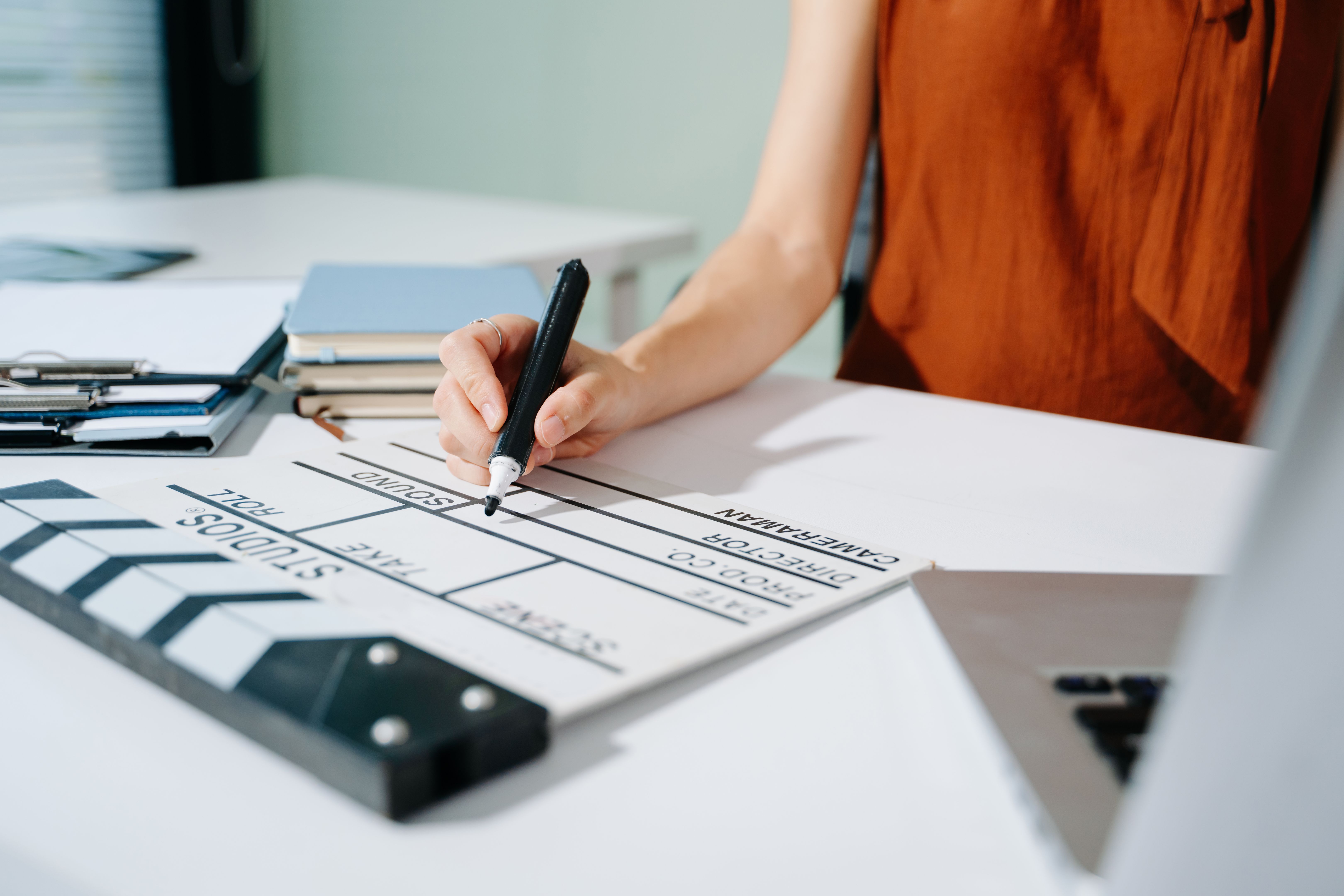
DIY Tips for Enhancing Your Video Projects


Introduction to DIY Video Enhancement
In today's digital age, creating high-quality video content is more accessible than ever. Whether you're a budding filmmaker, a content creator, or someone who simply enjoys making videos, enhancing your projects can make a significant difference. Here are some DIY tips to elevate your video projects to the next level.
Understanding Your Equipment
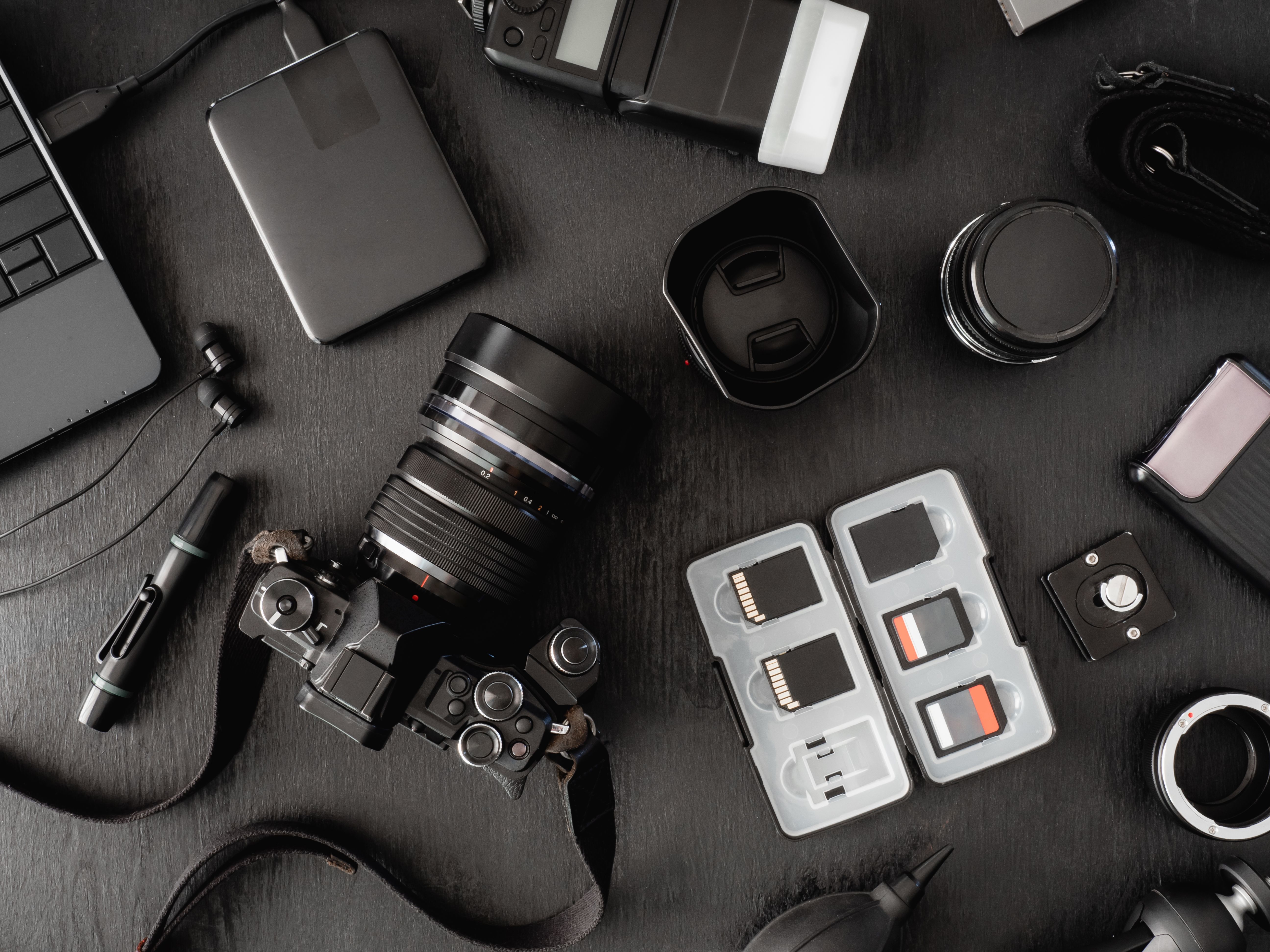
Before diving into complex editing techniques, it's essential to understand the capabilities of your equipment. Whether you're using a smartphone or a professional camera, knowing the features and limitations can help you get the most out of your device. Spend time experimenting with different settings to see what works best for your style.
Consider investing in basic accessories like tripods or external microphones. These can dramatically improve your video quality without breaking the bank. Stability and clear audio are crucial for engaging content.
Lighting: The Key to Professional-Looking Videos
Good lighting can transform the look of your videos. Natural light is your best friend, so try to shoot during the golden hours—early morning or late afternoon. If you're filming indoors, utilize soft lighting sources like lamps or LED panels to avoid harsh shadows.
For those willing to invest a bit more, a ring light can provide even, flattering illumination. Remember, the goal is to achieve a balanced light that enhances your subject without causing overexposure.

Mastering the Art of Editing
Editing is where your video truly comes to life. Start with user-friendly software like iMovie or Adobe Premiere Rush if you're a beginner. These tools offer a range of features while being accessible for newcomers.
Focus on cutting unnecessary footage to keep your video concise and engaging. Pay attention to the pacing to ensure your story flows smoothly. Adding background music or sound effects can also enhance the viewing experience.
Color Correction and Grading
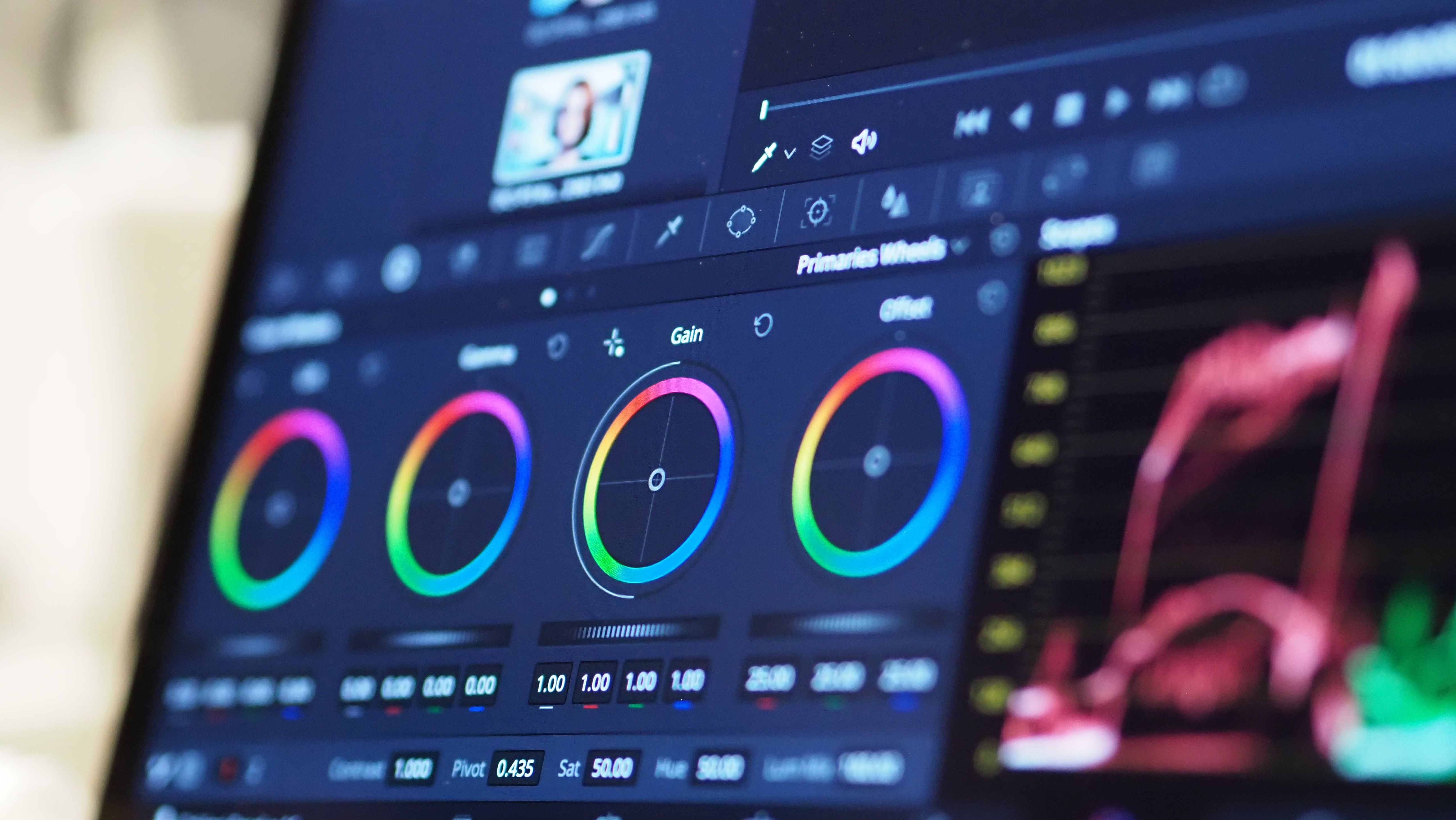
Color correction is an often-overlooked step that can add a professional touch to your videos. Adjusting the brightness, contrast, and saturation can make your footage more visually appealing. Most editing software includes basic color correction tools suitable for beginners.
For a more cinematic look, explore color grading. This advanced technique involves modifying the colors to convey a specific mood or style. While it may take some practice, the results can be stunning.
Enhancing Audio Quality
Clear audio is just as important as sharp visuals. If you're recording dialogue, consider using a lapel mic for clear, direct sound. In post-production, utilize noise reduction tools to eliminate background noise.
Don't overlook the power of background music. Choose tracks that complement your video's mood and ensure they're not overpowering the dialogue. Balancing audio levels is crucial for a polished final product.
Conclusion: Practice Makes Perfect
Improving your video projects with these DIY tips requires patience and practice. Experiment with different techniques and tools to find what best suits your creative vision. Remember, the more you practice, the better your videos will become.
Embrace the learning process and enjoy the journey of creating compelling, high-quality video content. With dedication and creativity, your projects will undoubtedly stand out.